Porosity
Beijing-Hangzhou Grand Canal Visitor Center

Carved as early as the Warring States periods and completed during the Sui Dynasty, the Beijing–Hangzhou Grand Canal has a history of over 2,500 years, continuously nurturing China’s maritime economy and culture. Facing such a long cultural lineage, the response of the canal-facing visitor center becomes crucial.
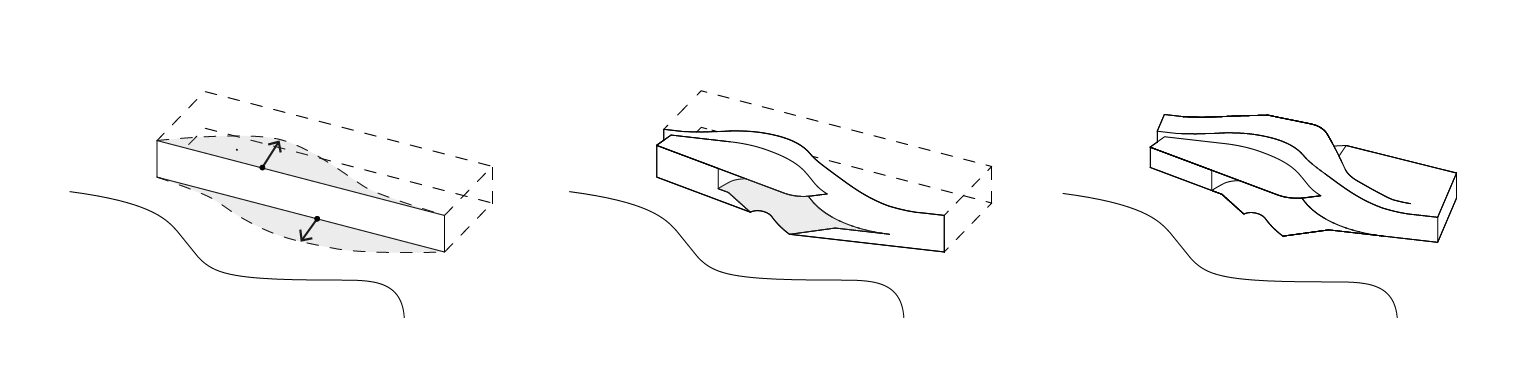
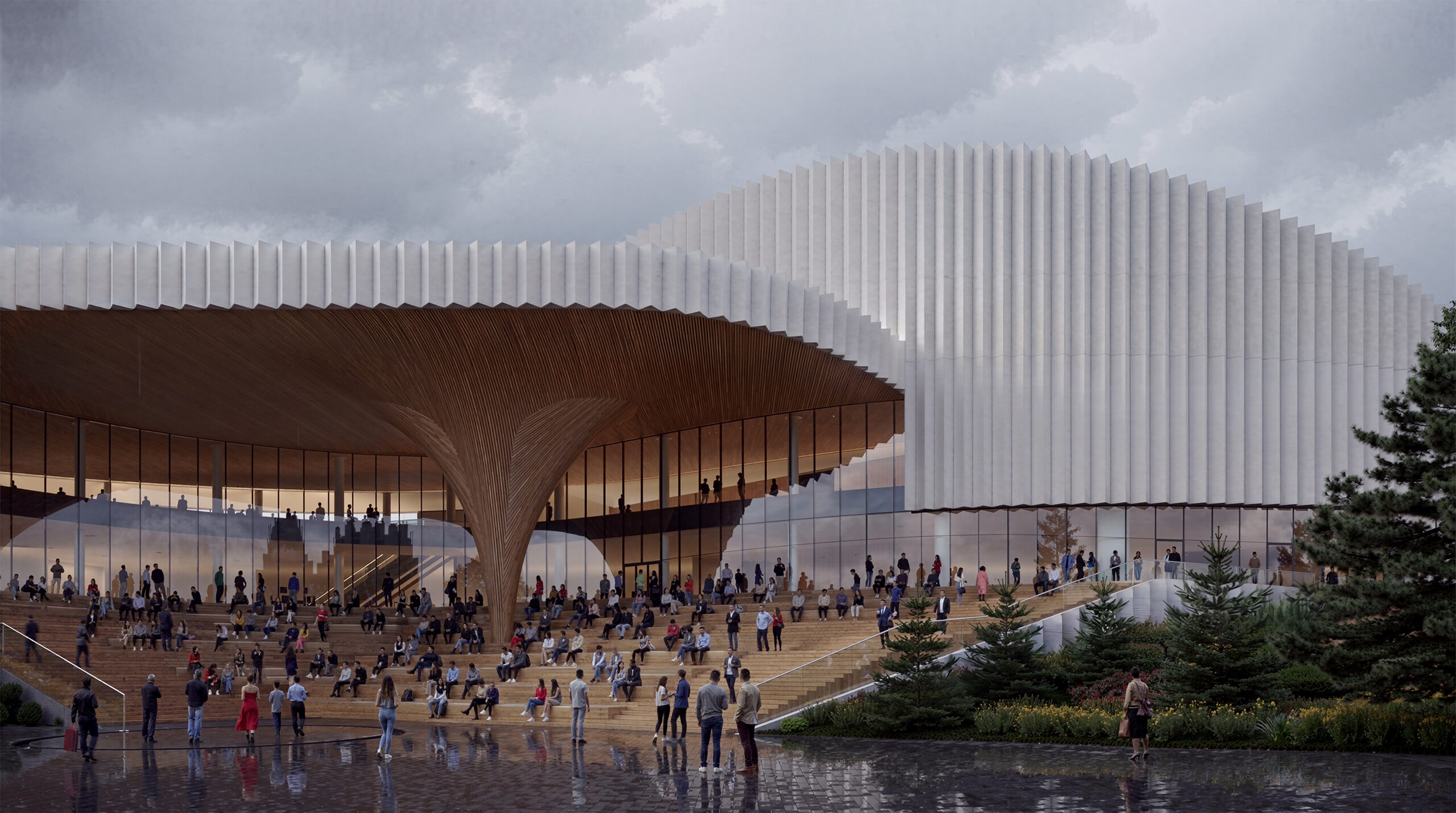
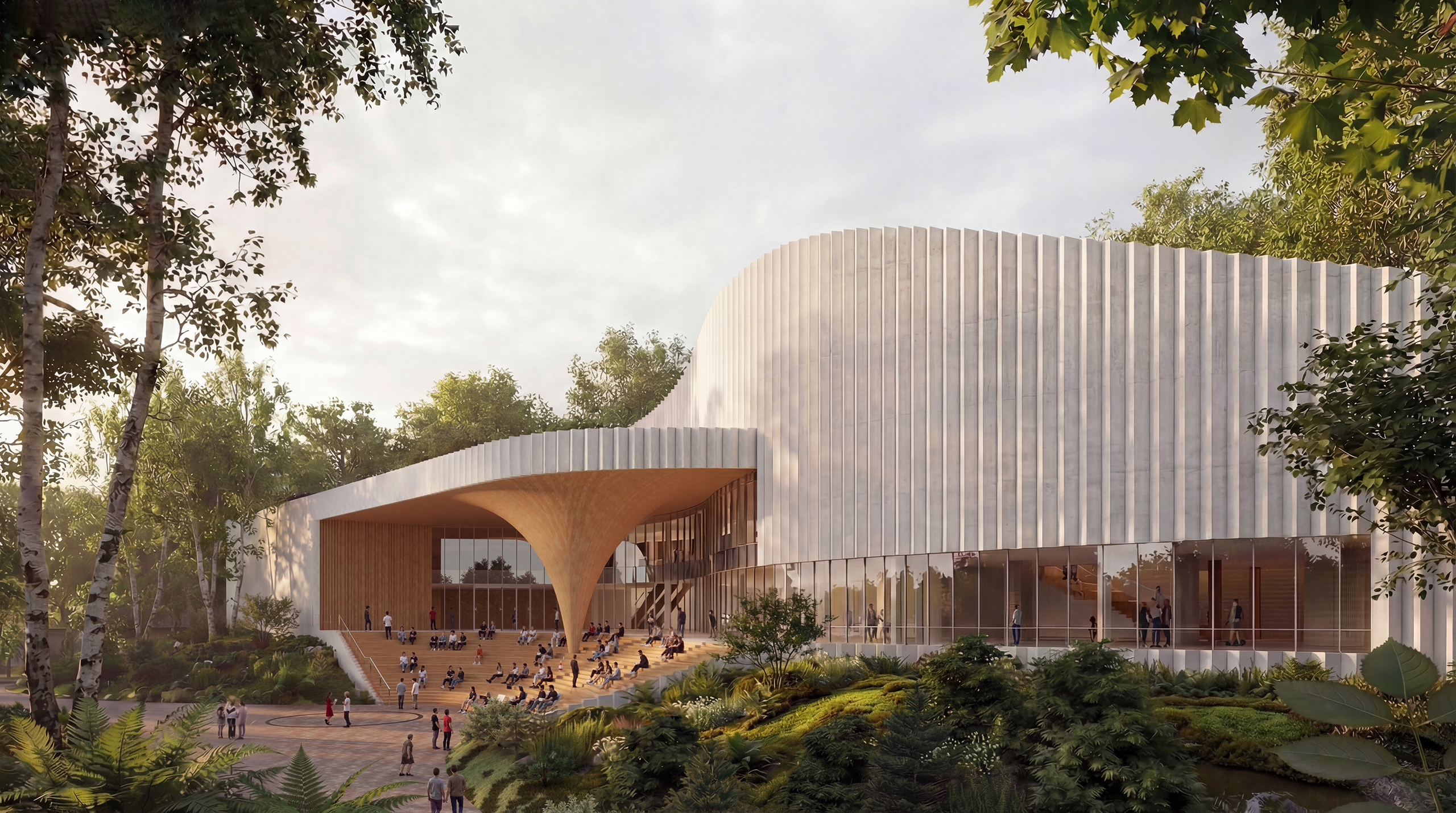
Inspired by the rhythm of water, the design employs a gentle architectural language to echo the canal’s fluid tension, creating a waterfront public lounge that integrates exhibition, relaxation, and social interaction.
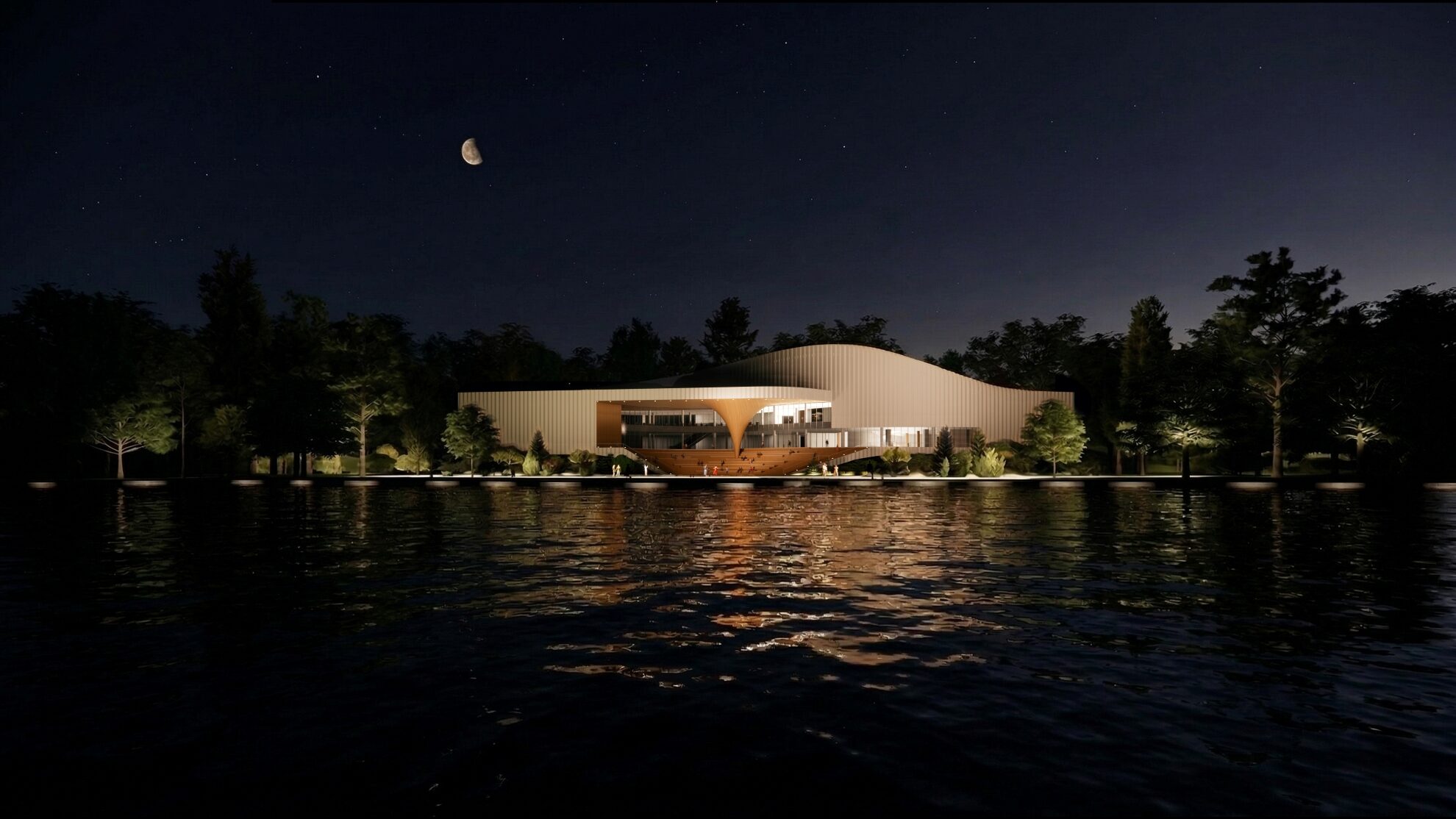
The design emphasizes a warm and open attitude toward the canal, like a paddle cutting through water, lifting a series of soft, undulating waves. The building naturally opens at its center to form the main entrance and an amphitheater, where visitors can overlook the canal. As night falls, warm lighting, the timber-colored theater, and the reflections of sky and moon on the water together create a poetic atmosphere.
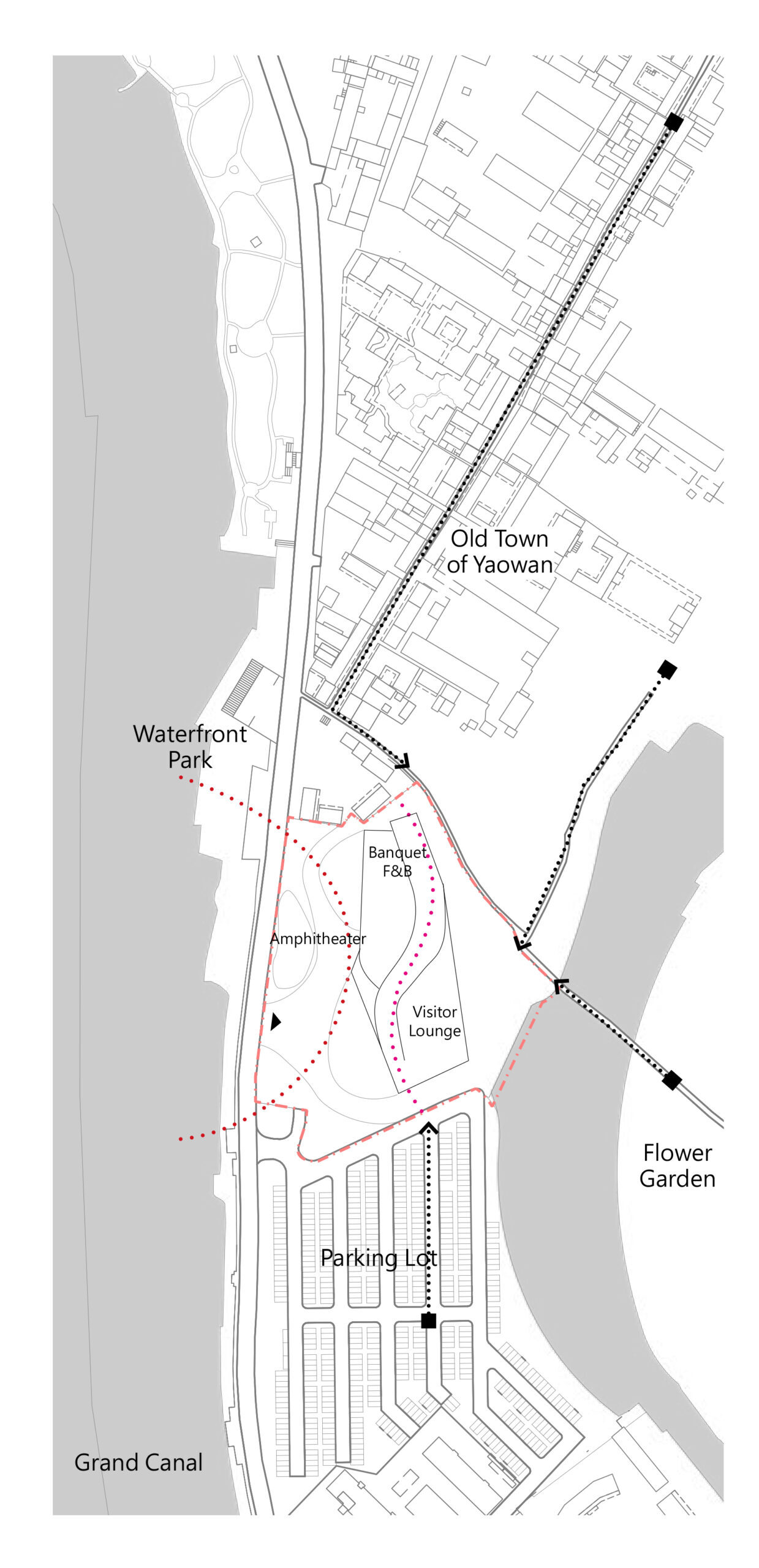
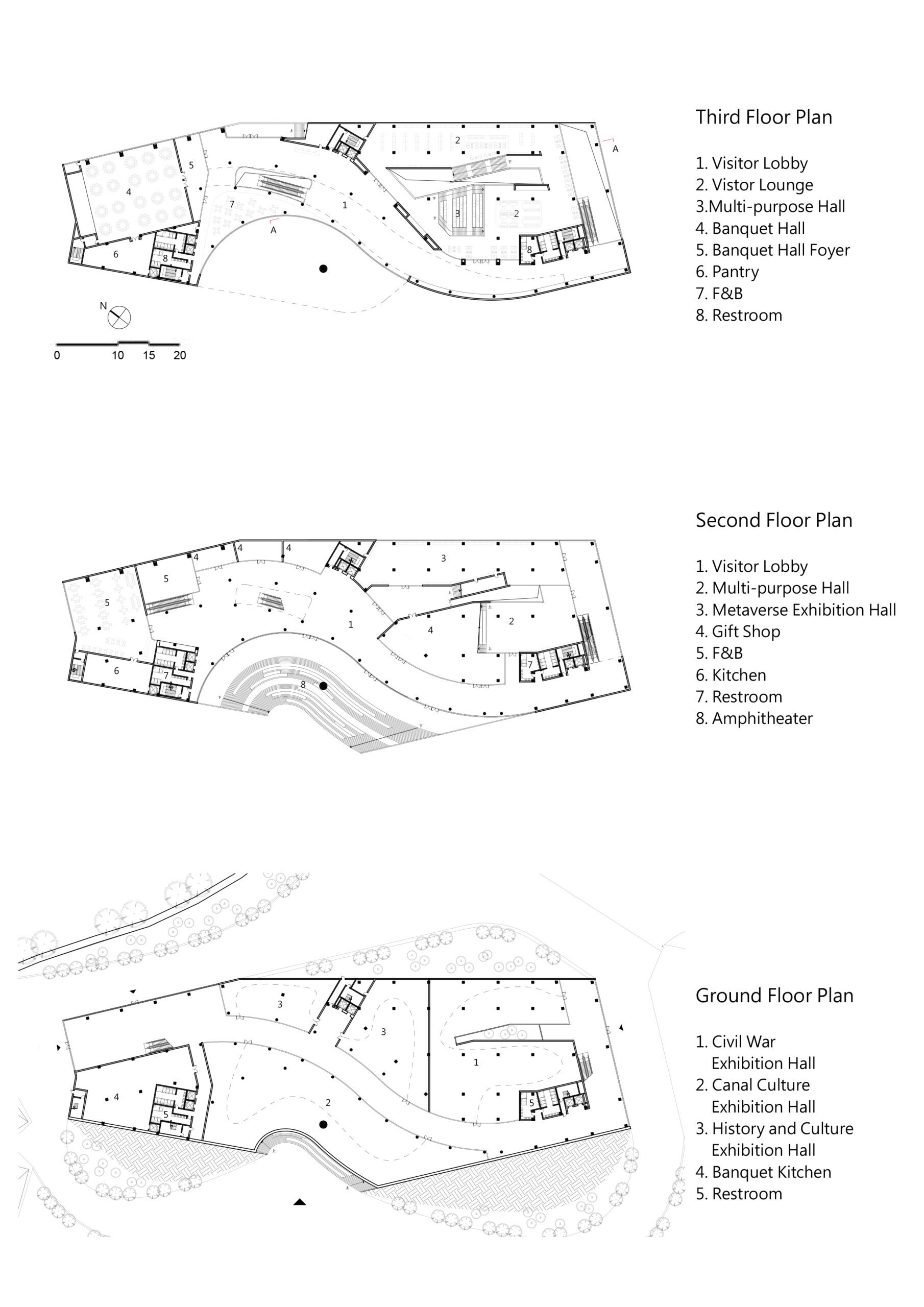
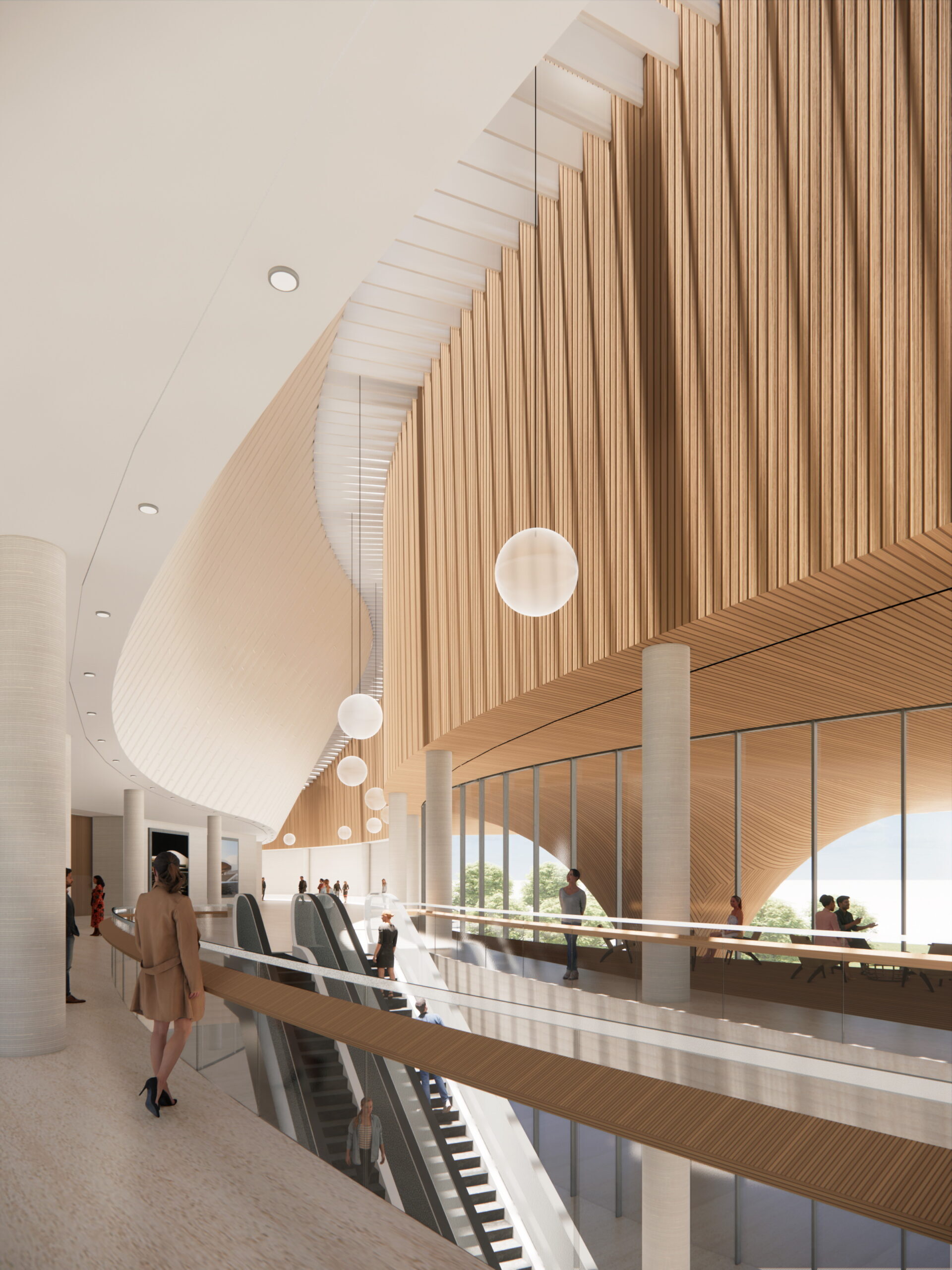
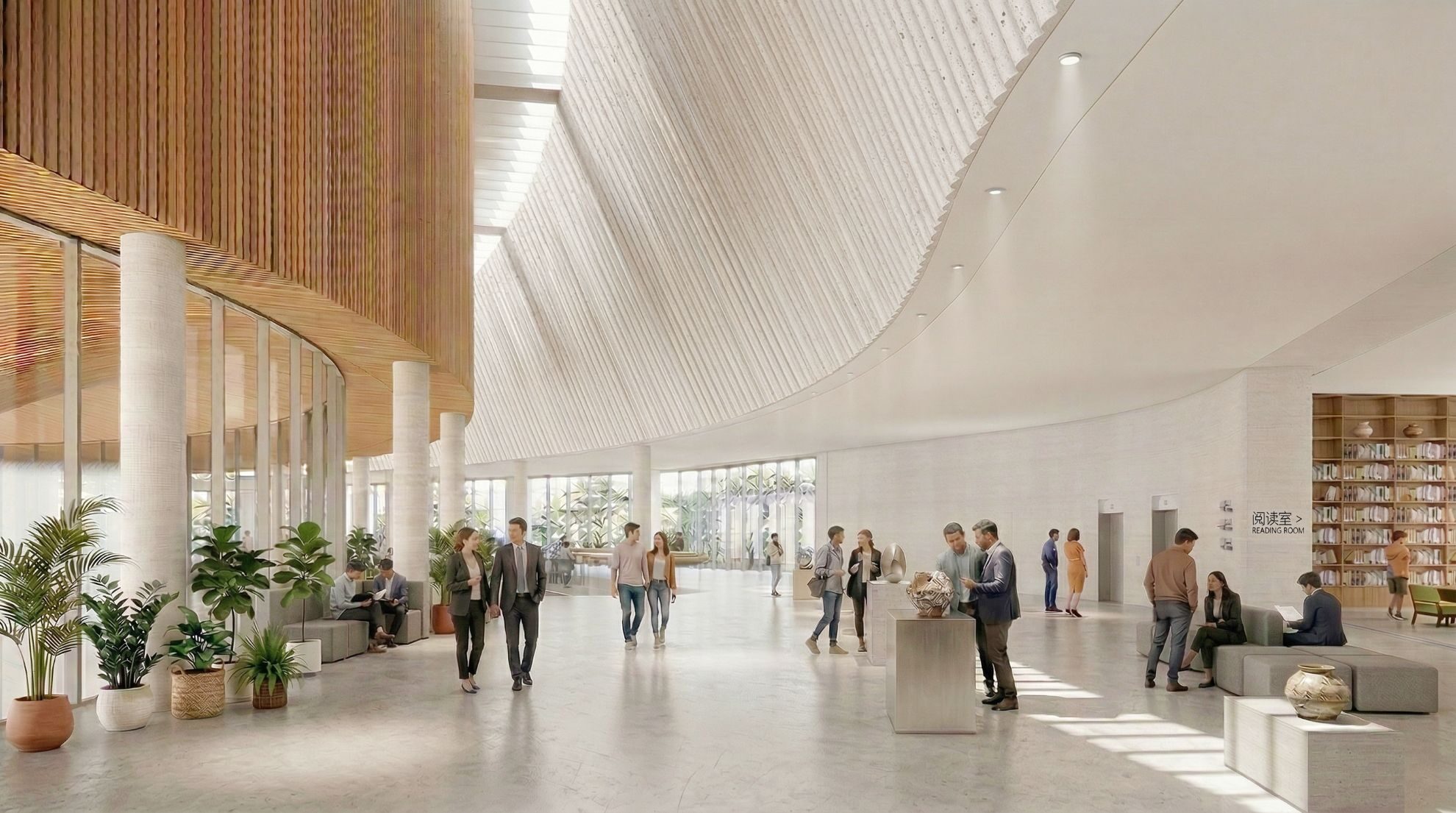
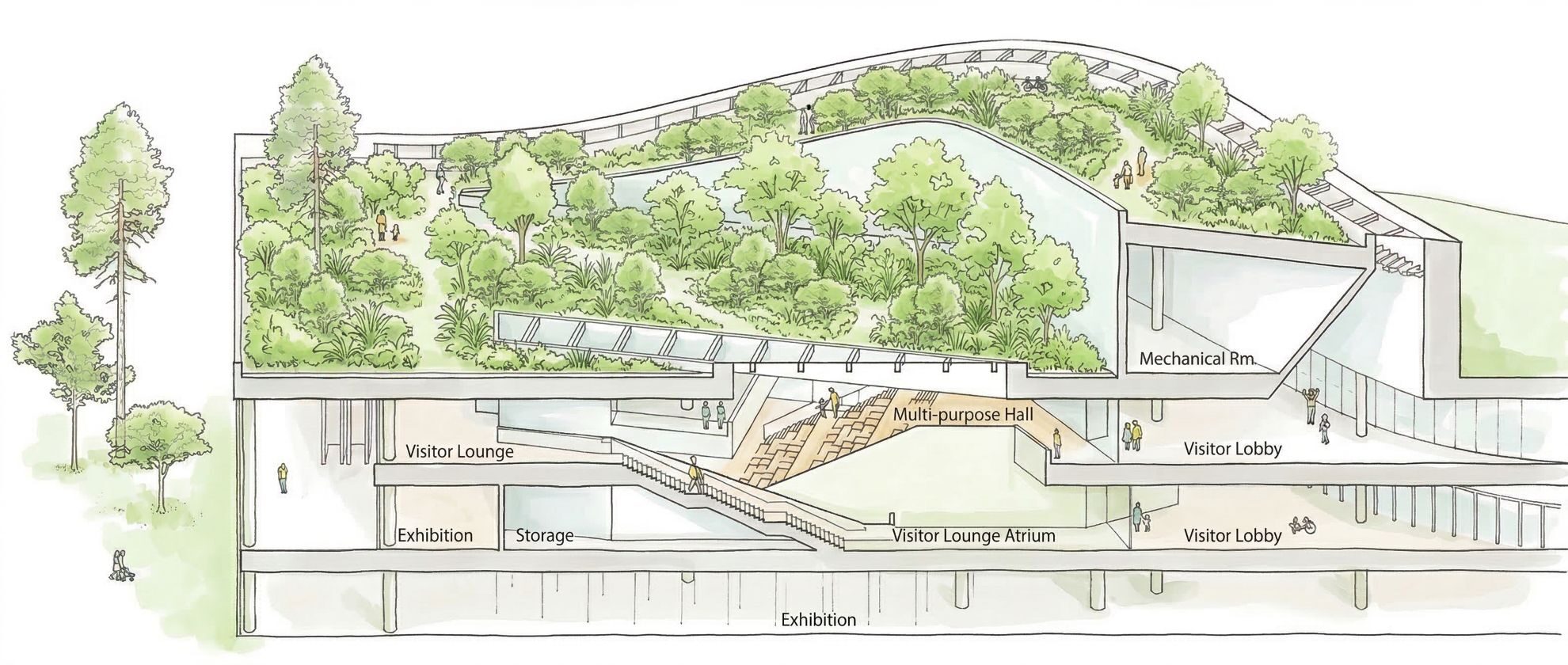
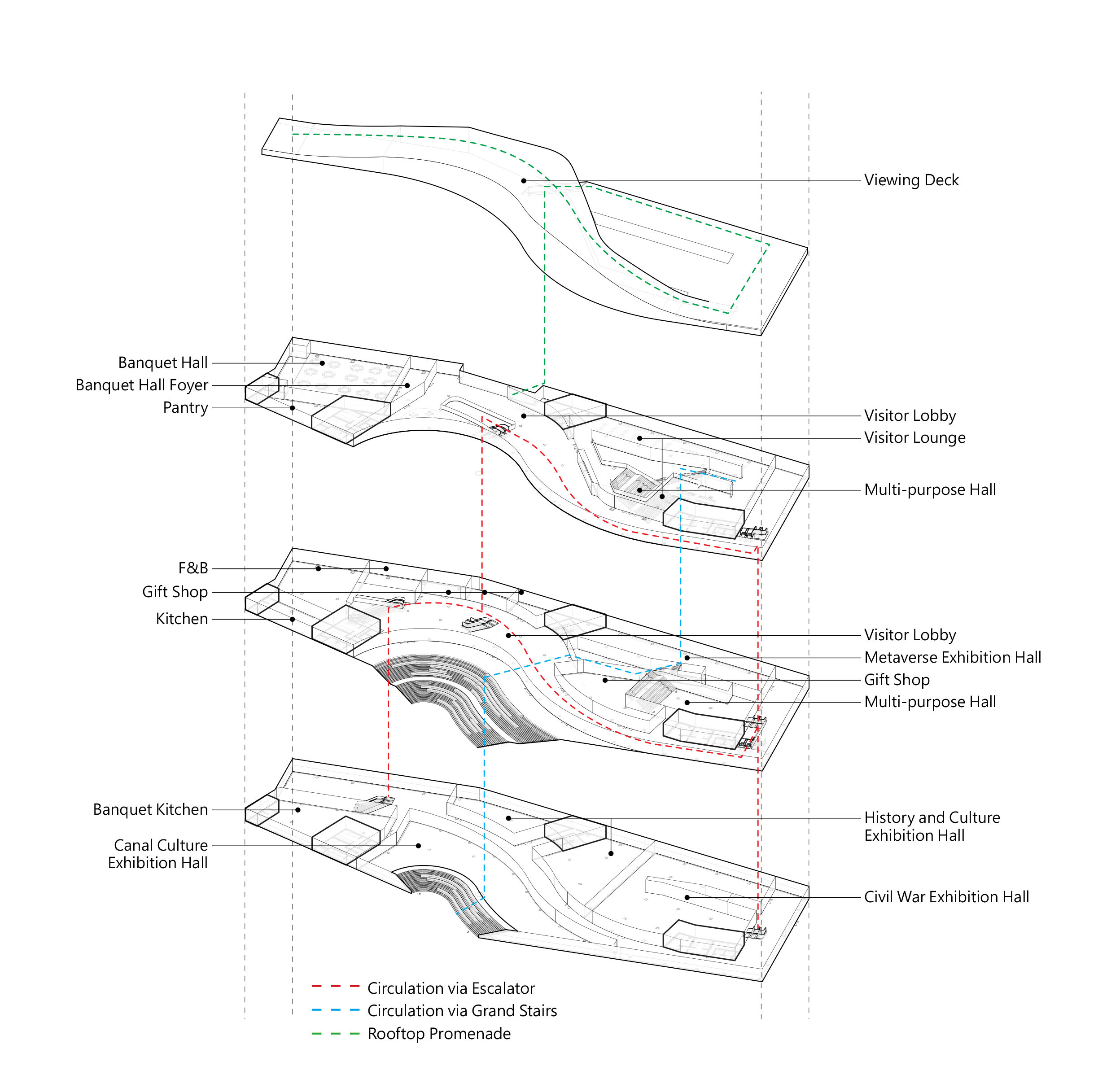
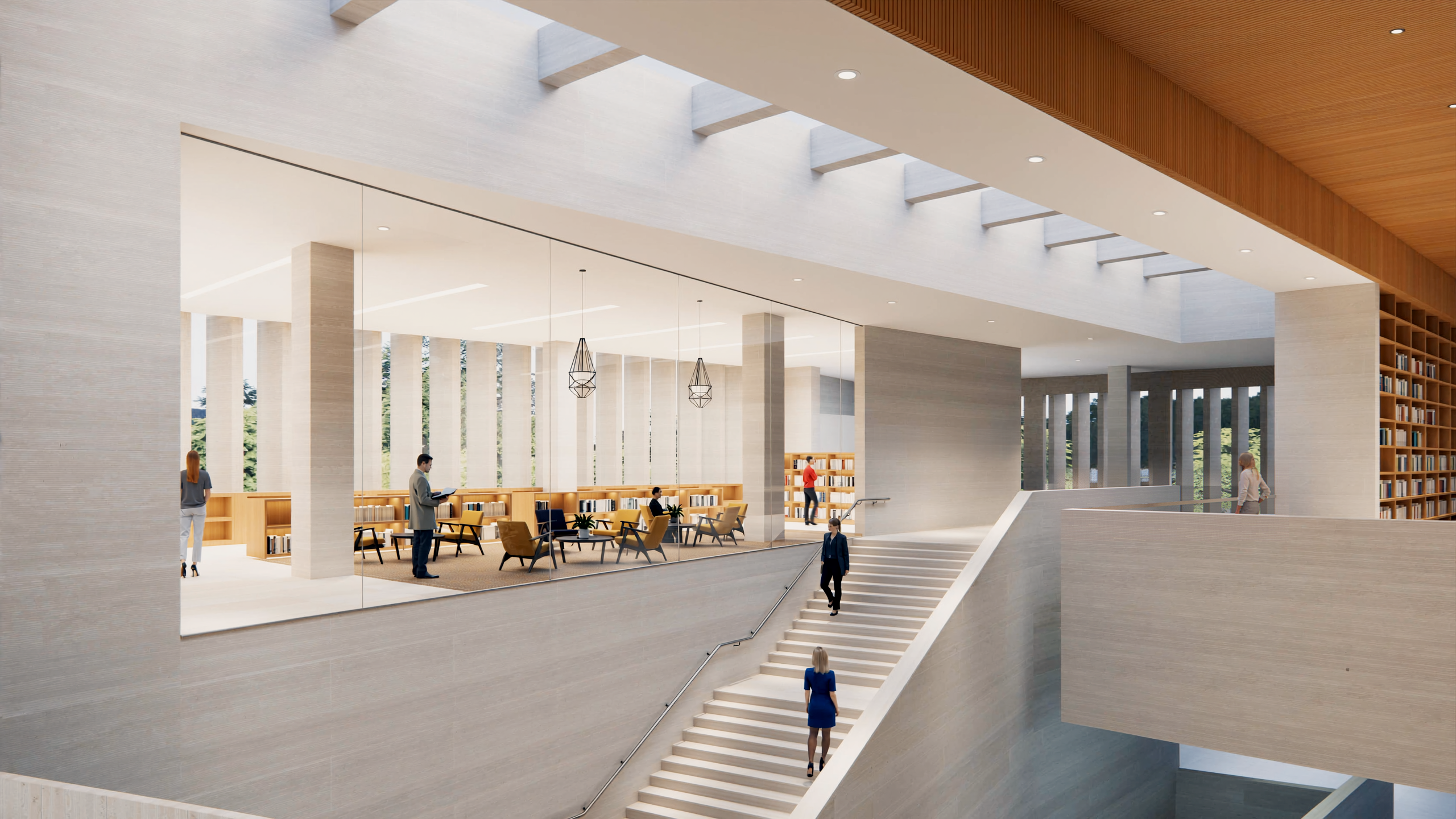
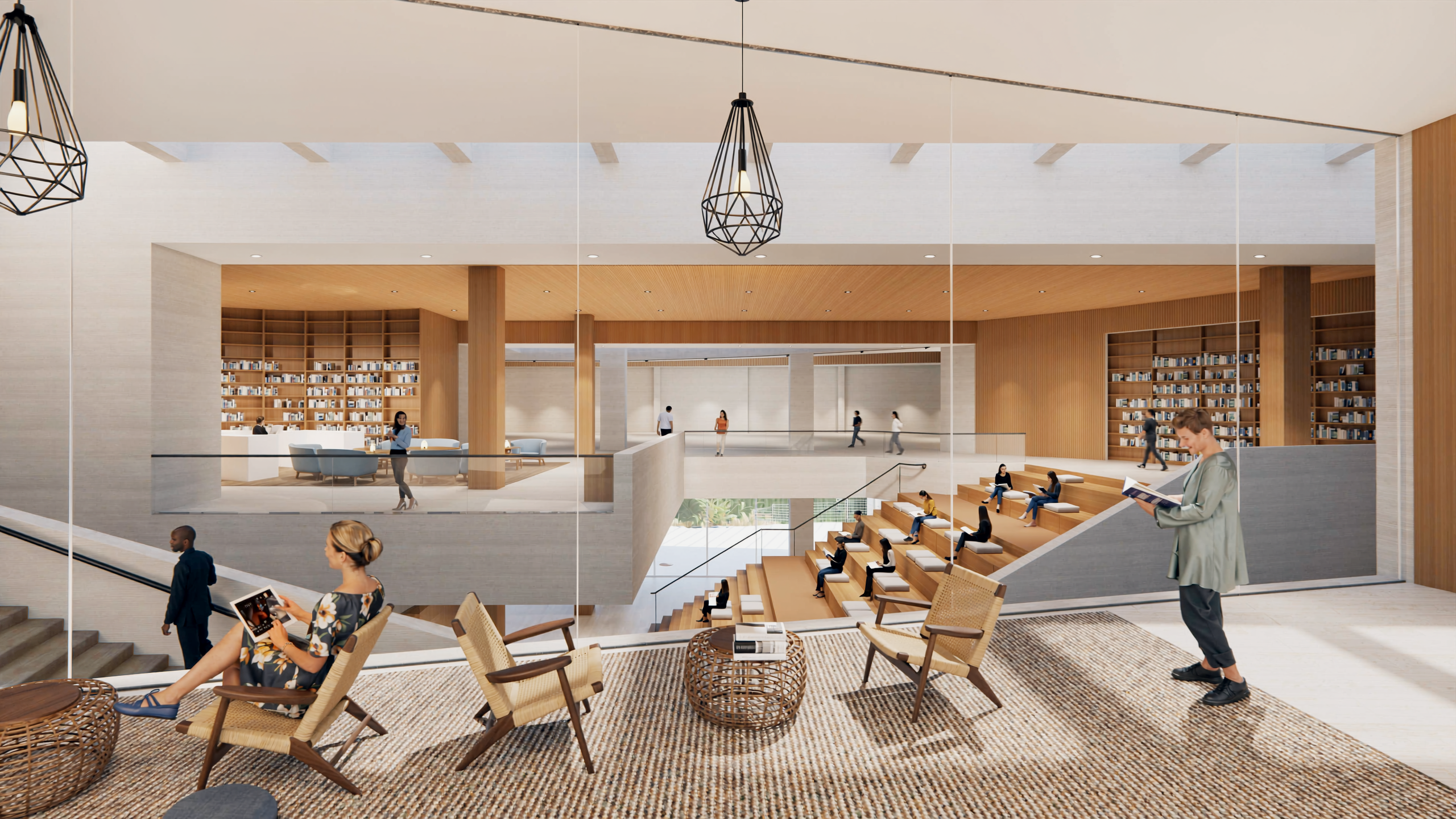
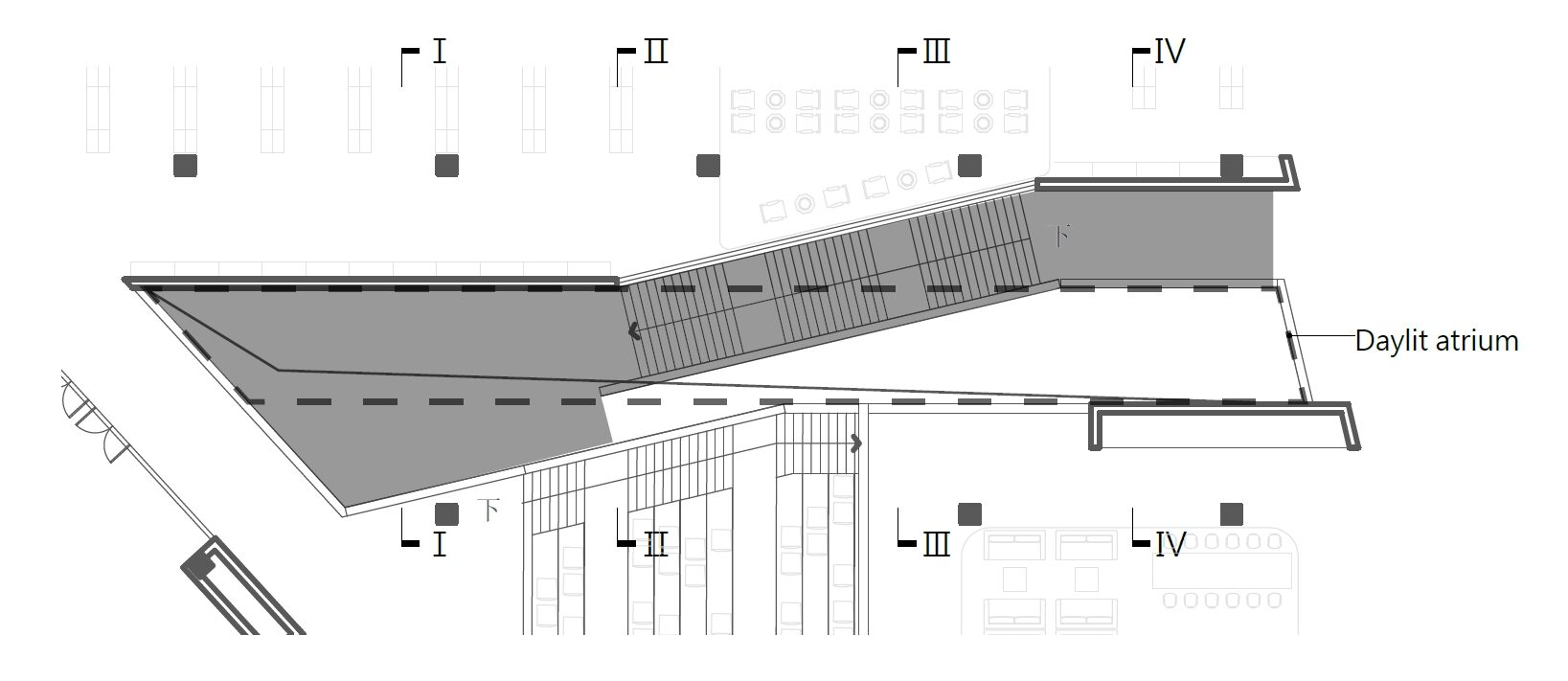
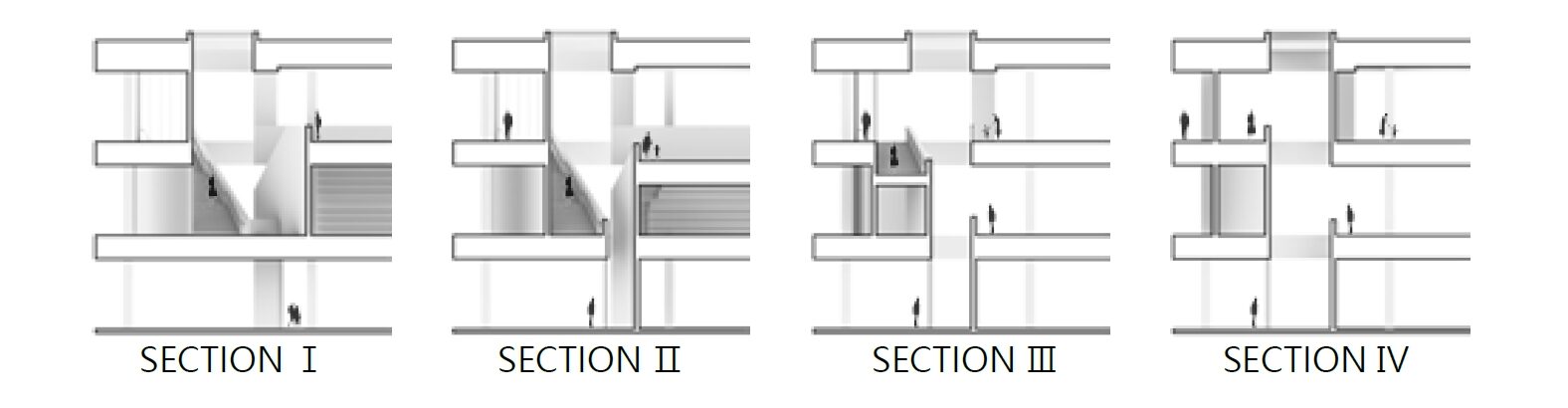
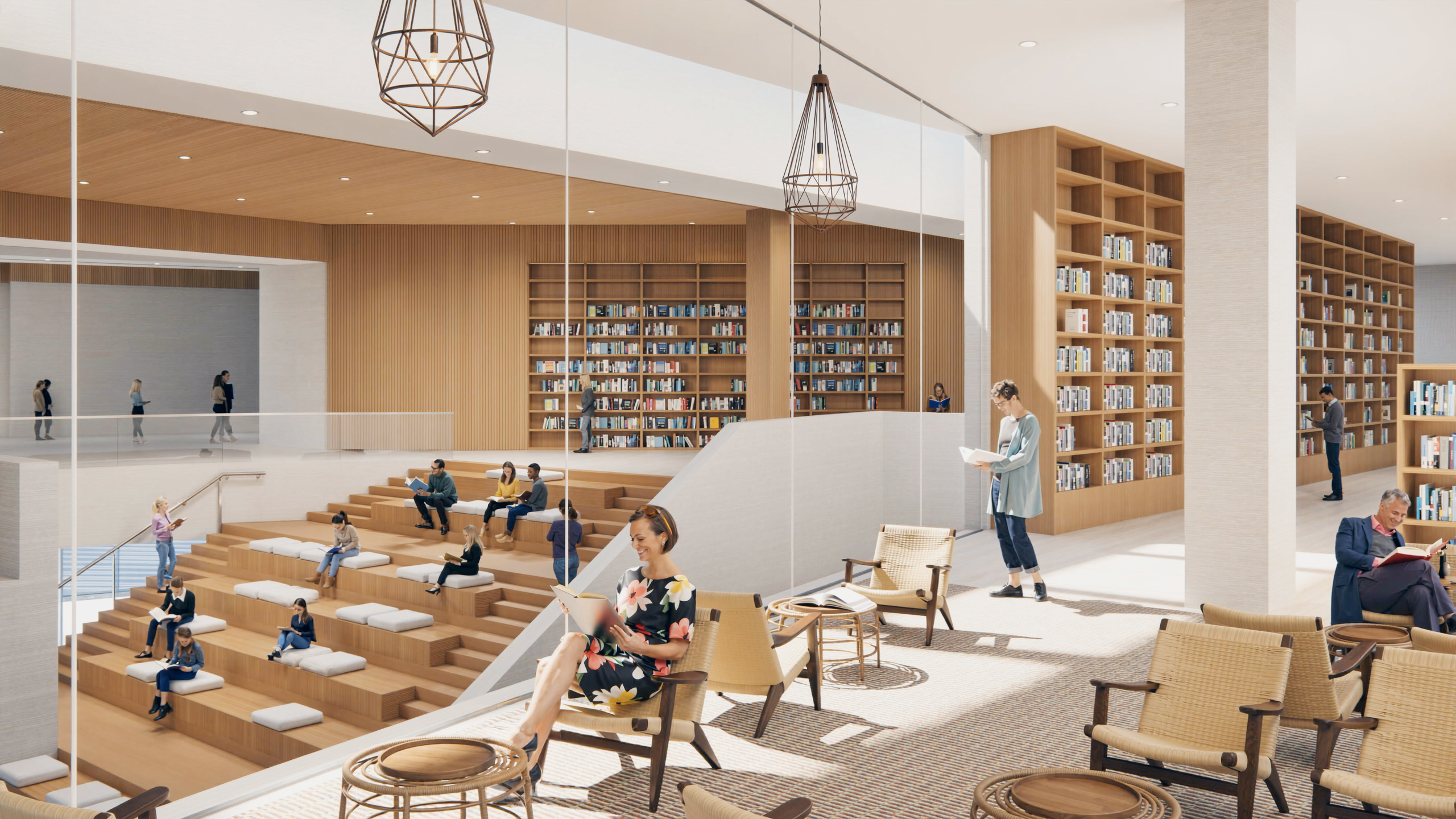
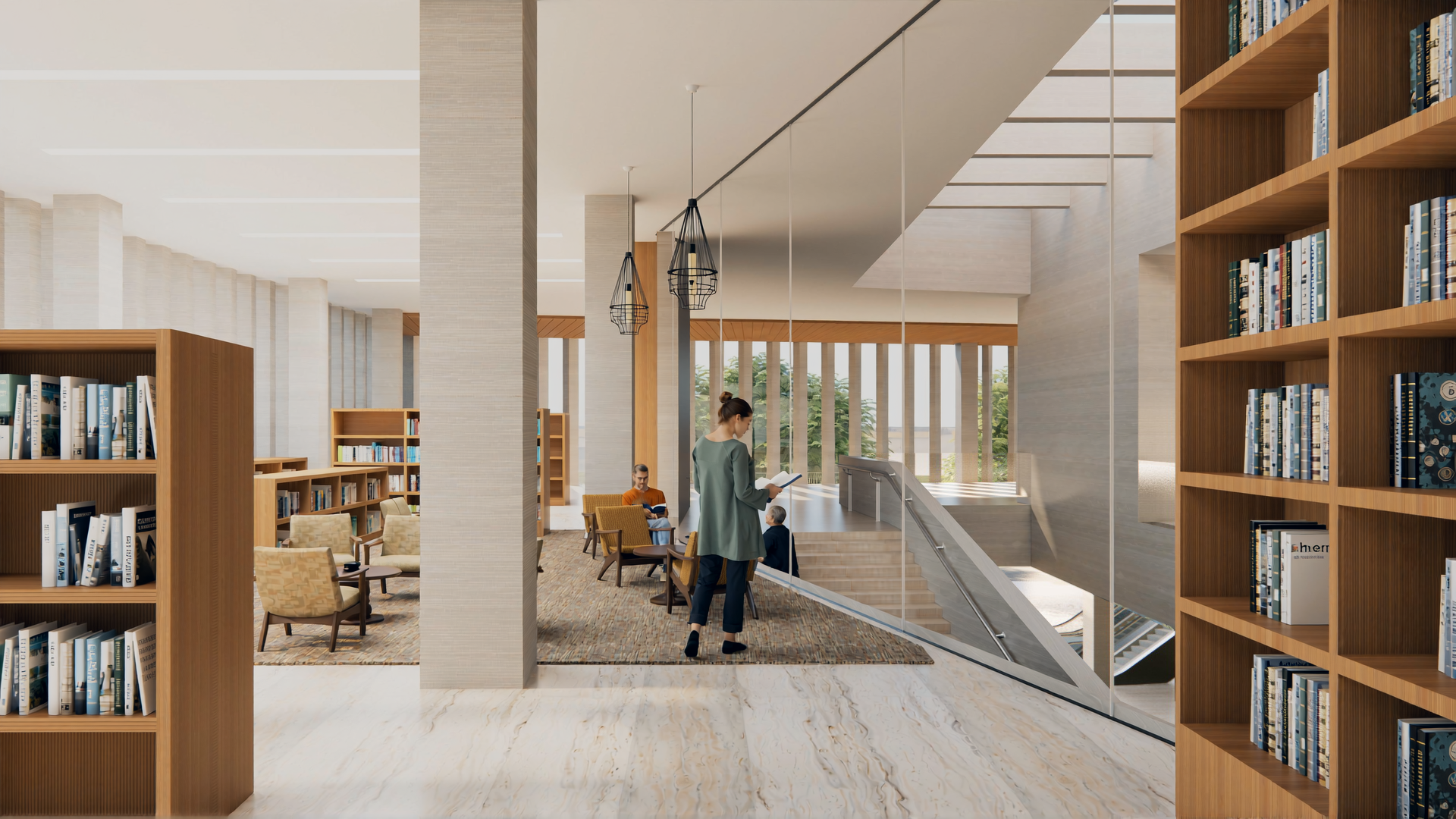
The visitor lounge serves as a window into the community, acting as a medium for visitors to read about and understand the area. The design emphasizes openness and fluidity, adopting ‘permeability’ as the core strategy, integrating the multipurpose hall into the visitor lounge. As a result, spatial boundaries are blurred, and the two-way visual relationships allow viewing, walking, and social interaction to naturally intersect within the same open space.